7 Things to Check Before Buying a Home in Southern California
Real Estate, Home Buying, Southern California
7 Things to Check Before Buying a Home in Southern California
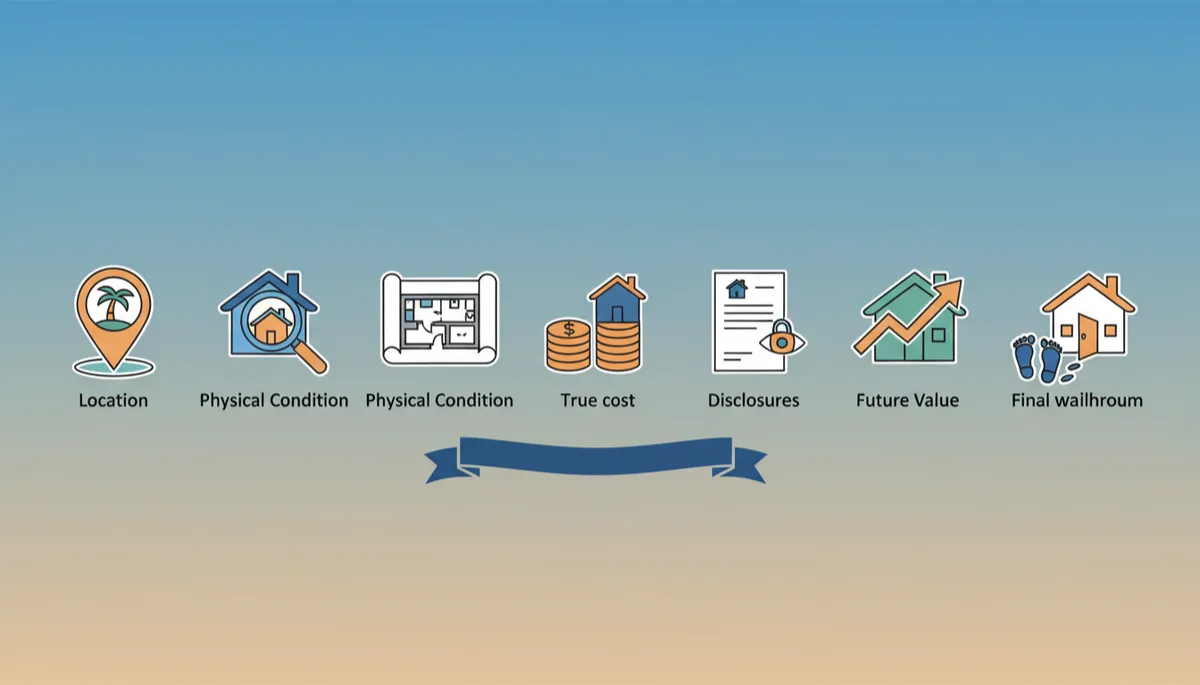
Buying a home in Southern California is exciting, but it can also be overwhelming. From coastal bungalows to suburban cul-de-sacs, not all homes—or locations—are created equal. Before you write that offer, make sure you’ve carefully evaluated these seven essentials.

Your Southern California Home Search Starts Here
Seven smart checks before you commit to your dream house
1. Look Beyond the Address: Understand the True Location
In Southern California, location is more than a ZIP code. Two homes a mile apart can feel like completely different worlds. Visit at different times of day to check traffic, street noise, and parking. Consider your commute patterns, proximity to freeways, and how long it really takes to reach work, school, or the beach during rush hour—not just according to a map app on a Sunday morning.
Also pay attention to micro-factors: school boundaries, aircraft flight paths, nearby commercial development, and potential wildfire, flood, or earthquake-related risks. These can all affect your daily life and future resale value.
2. Examine the Property’s Physical Condition Carefully
Many Southern California homes are older, which can mean character—and hidden issues. A professional home inspection is non‑negotiable, but you should also do your own visual check. Look for cracks in walls or ceilings, signs of moisture or mold, uneven floors, aging roofs, and outdated electrical or plumbing systems. In hotter inland areas, confirm that the HVAC system is modern and functioning well; near the coast, look for corrosion from salty air.
Don’t forget the exterior: grading and drainage, retaining walls, and landscaping can all impact future maintenance costs. A home that “shows well” cosmetically may still need major repairs that affect your budget.
3. Make Sure the Floor Plan Fits How You Really Live
Square footage is only part of the story. A well-designed 1,600‑square‑foot home can feel more livable than a poorly laid‑out 2,000‑square‑foot one. Walk through the home and imagine your daily routines: Where will you work from home? Is there separation between bedrooms and entertaining spaces? Does the kitchen flow into the living area for gatherings? Are there enough bathrooms for busy mornings?
In Southern California’s mild climate, outdoor space is an extension of your floor plan. Consider how patios, balconies, and yards connect to the interior. A functional layout that supports your lifestyle will matter long after the new‑home excitement fades.

A thoughtful floor plan can make modest square footage feel spacious and flexible.
4. Calculate the True Cost of Ownership, Not Just the Price
Your monthly payment involves more than principal and interest. In Southern California, property taxes, homeowners association (HOA) dues, Mello‑Roos assessments, insurance, and utilities can significantly change the picture. Ask for recent utility bills, confirm HOA fees and what they cover, and understand any special assessments or supplemental taxes tied to the property.
Factor in routine maintenance and likely future upgrades—roof replacement, seismic retrofitting, energy‑efficient windows, or landscaping. A home that stretches your budget today may feel stressful once these ongoing costs are added in. Aim for a payment that leaves room for savings and a comfortable lifestyle.
5. Read Every Disclosure—Then Ask Questions
California is a disclosure‑heavy state for good reason: it protects both buyers and sellers. Take time to review the Transfer Disclosure Statement, Natural Hazard Report, termite reports, permits, and any HOA documents. Look for mentions of past water damage, foundation issues, unpermitted work, neighbor disputes, or upcoming community projects that could affect your enjoyment or expenses.
Don’t hesitate to ask follow‑up questions or request clarification. A good buyer’s agent will help you interpret the disclosures, spot red flags, and negotiate repairs or credits when appropriate.
6. Think About Future Value, Not Just Today’s Wish List
Even if you plan to stay long‑term, it’s wise to consider resale appeal. Ask yourself: Is this a location that will stay desirable? Are there strong schools, convenient amenities, and limited supply of similar homes? Does the property have features most buyers want—such as parking, outdoor space, natural light, and a functional layout?
Also pay attention to what’s happening in the neighborhood: new transit lines, planned developments, or zoning changes can all influence future value. Buying with an eye toward appreciation gives you more flexibility and options down the road.
7. Don’t Skip the Final Walkthrough
The final walkthrough is your last chance to confirm the home’s condition before you get the keys. Schedule it as close to closing as possible. Verify that agreed‑upon repairs were completed, appliances are in place and working, and no new damage has occurred since your inspection. Run faucets, flush toilets, test light switches, and check the heating and cooling systems.
If something isn’t right, your agent can help address it with the seller before closing. Skipping this step can leave you responsible for issues that should have been caught earlier.
Ready to Buy in Southern California? Let’s Talk Strategy.
A successful home purchase in Southern California is about more than finding a pretty property online. It’s about understanding the location, the condition, the numbers, and the long‑term implications so you can move forward with confidence instead of guesswork.
If you’re thinking about buying, a personalized buyer consultation is the best next step. We’ll review your goals, budget, and preferred areas, then walk you through what to expect in today’s market—from first tour to final walkthrough.
Get Your Free Home Valuation
or