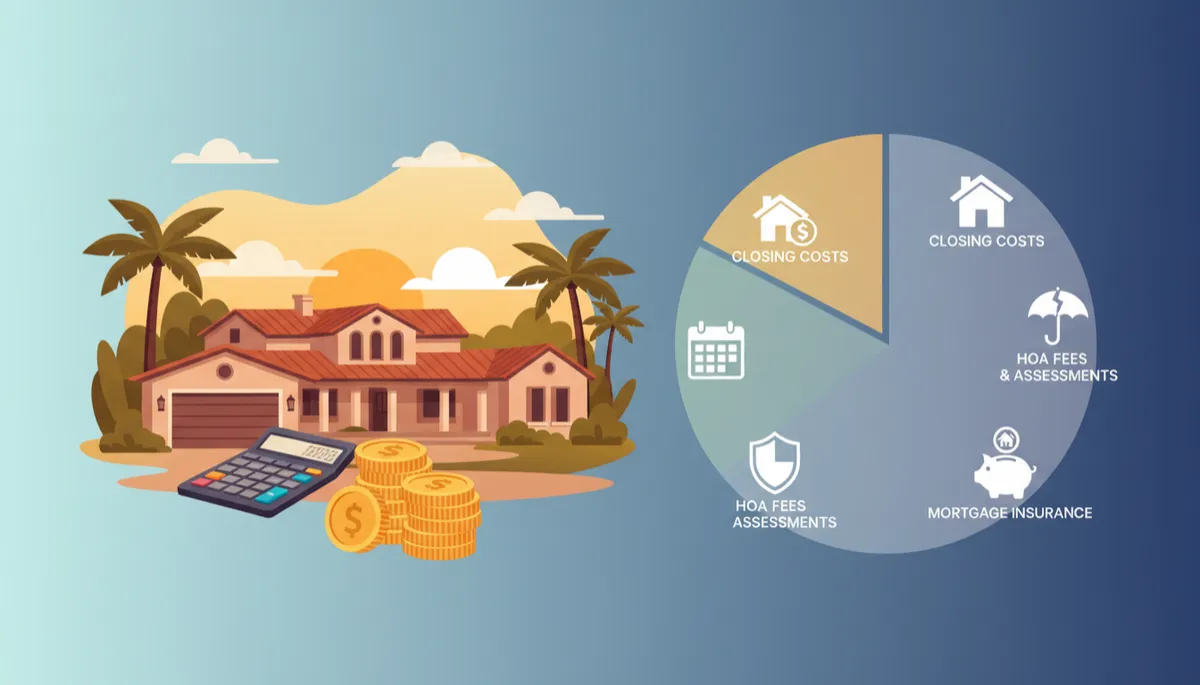
Hidden Costs of Buying a Home in SoCal
Real Estate, Home Buying, Southern California
The Hidden Costs of Buying a Home in Southern California
In Southern California’s competitive housing market, many buyers focus on saving for a down payment and overlook the full cost of owning a home. Understanding the extra expenses that come after your offer is accepted can help you decide whether you can truly afford the property long term.
Why Your Down Payment Is Only the Beginning
It’s tempting to think that once you’ve saved enough for a down payment, you’re financially ready to buy. In reality, the down payment is just one piece of the puzzle. Closing costs, property taxes, HOA dues, insurance, and mortgage insurance can easily add thousands of dollars up front and hundreds more every month. Budgeting for these items in advance is essential if you want to own your home comfortably rather than feeling stretched every payday.

A realistic budget includes every recurring cost, not just the mortgage payment.
Closing Costs: The Upfront Bill Many Buyers Underestimate
Closing costs are the one-time fees due when you finalize your purchase. In Southern California, they often range from 2% to 5% of the purchase price. On a $800,000 home, that could mean an additional $16,000–$40,000 on top of your down payment. These fees typically include:
Lender fees (loan origination, underwriting, and processing)
Appraisal and credit report charges
Title insurance and escrow fees
Prepaid interest and initial deposits for taxes and insurance
💡 Pro Tip: Ask your lender for a detailed estimate of closing costs early in the process so you can adjust your savings goal before you start making offers.

Reviewing your closing disclosure carefully can prevent last-minute financial surprises.
Property Taxes and Supplemental Taxes: A Southern California Reality
Property taxes in Southern California are generally around 1% to 1.25% of the assessed value each year, but local assessments and voter-approved bonds can push that number higher. When you buy, your property is usually reassessed at the purchase price, which may be much higher than what the previous owner was paying.
On top of regular taxes, many buyers are surprised by supplemental property tax bills. These are additional, one-time tax bills you may receive after closing to account for the jump between the prior assessed value and your new purchase price. They can arrive months later and often run into the thousands of dollars, so it’s wise to set money aside for them as soon as you close.

Supplemental tax bills can appear months after closing, catching unprepared buyers off guard.
HOA Fees and Special Assessments: The Cost of Community Amenities
Many Southern California homes—especially condos, townhomes, and newer planned communities—are part of a homeowners association (HOA). Monthly HOA dues can range from modest to substantial, depending on the amenities and services included. Pools, fitness centers, gated security, and landscaping all come with a price tag that you’ll pay every month, in addition to your mortgage.
Beyond regular dues, HOAs can levy special assessments for major repairs or improvements—such as roof replacements, structural work, or unexpected damage. These assessments may be charged as a lump sum or spread over several months or years, and they can significantly impact your budget. Before buying, review the HOA’s financials, reserve studies, and recent meeting minutes to get a sense of potential upcoming costs.

Shared amenities can boost lifestyle and costs, so factor HOA dues into affordability.
Homeowners Insurance: Protecting Your Biggest Asset
Lenders require you to carry homeowners insurance, and even if you’re paying cash, it’s a crucial layer of protection. In Southern California, premiums can be influenced by factors like wildfire risk, proximity to the coast, crime rates, and the age and condition of the home. Some areas may require higher coverage levels or carry separate deductibles for certain risks.
Standard policies often exclude earthquake and sometimes flood coverage, which are separate policies or endorsements you may want to consider. It’s important to obtain insurance quotes while you are still in your inspection period so you can understand how much your monthly escrowed payment will be—and whether the home is still within your budget once insurance is factored in.

Getting quotes early helps you compare coverage options and avoid surprise premiums.
Mortgage Insurance: The Extra Cost of a Smaller Down Payment
If your down payment is less than 20% on a conventional loan, you’ll likely pay private mortgage insurance (PMI). FHA and some other loan programs have their own forms of mortgage insurance as well. This is an added monthly cost that protects the lender, not you, in case of default, and it can add hundreds of dollars to your payment depending on your loan size and credit profile.
The good news is that PMI on conventional loans can often be removed once you reach a certain level of equity, either through paying down the loan or through appreciation. Still, while you’re planning your purchase, treat mortgage insurance as a non-negotiable part of your monthly payment if you’re putting less than 20% down.
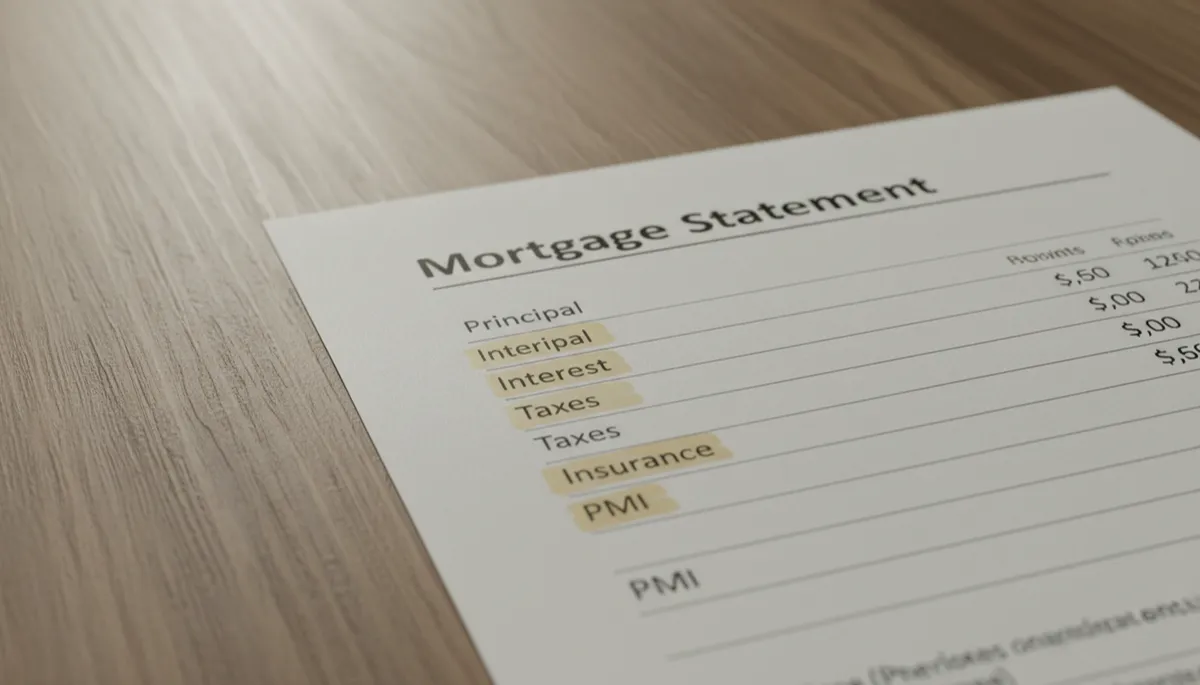
Understanding how PMI affects your monthly payment can influence your down payment strategy.
Building a Complete Homeownership Budget You Can Live With
To decide whether you can comfortably afford a home in Southern California, start by adding up all the recurring and upfront expenses: principal and interest, property taxes (including likely supplemental bills), homeowners insurance, HOA dues, mortgage insurance, utilities, and a maintenance reserve. Then stress-test your budget: would you still feel comfortable if your HOA dues increased, property taxes rose, or you faced a temporary income dip?
When you include these hidden costs from the beginning, you’re not just buying a home—you’re buying peace of mind. A realistic, well-planned budget helps ensure that once you get the keys, you can enjoy your new Southern California home without constantly worrying about the next unexpected bill.

Planning for every cost upfront turns your new house into a truly sustainable home.
Before spending thousands of dollars on renovations, get a professional perspective on what your property actually needs.
Get Your Free Home Valuation
or