
How to Increase Your Home's Value Before Selling
Selling a home is not simply about putting a “For Sale” sign in the yard and hoping buyers will recognize its value.
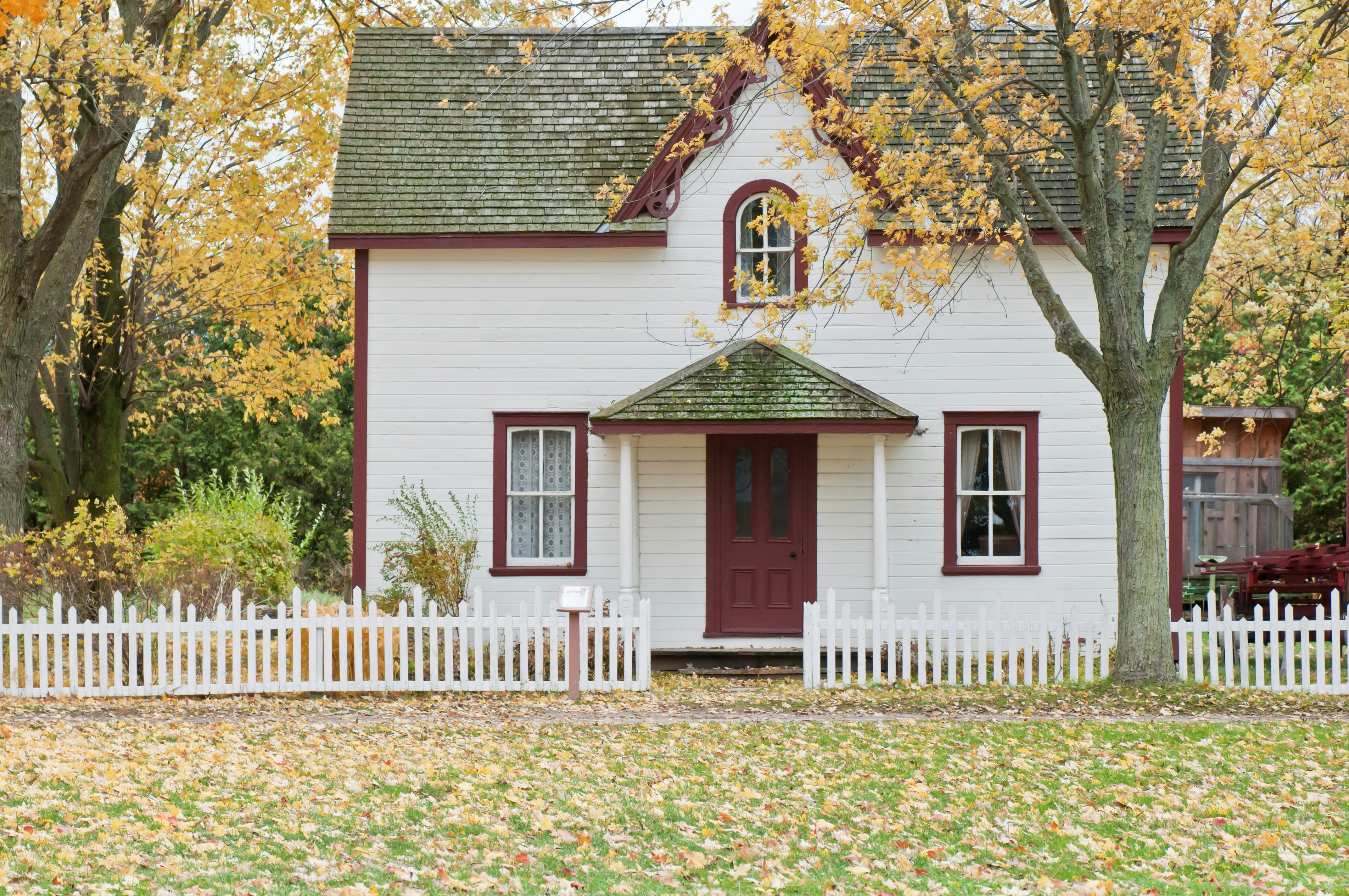
The condition, presentation, functionality and perceived potential of your property can all influence how buyers respond to it.
For homeowners preparing to sell in Southern California, the important question isn't:
“How much can I spend renovating my house?”
It's:
“Which improvements are most likely to improve the property's marketability and value without spending money unnecessarily?”
That distinction matters.
A major renovation can make a house more attractive, but it doesn't automatically mean you'll recover every dollar you spend. The National Association of REALTORS® reported in its 2025 Remodeling Impact Report that several smaller projects can provide substantial cost recovery, while larger renovations don't necessarily return their full cost at resale.
So before you renovate, you need a strategy.
1. Start With the Property — Not the Renovation

One of the biggest mistakes homeowners make is deciding what to remodel before understanding what buyers will actually see as a problem.
For example:
A homeowner might spend $50,000 remodeling a kitchen while ignoring:
A worn roof
Poor exterior presentation
Old flooring
Damaged doors
Outdated lighting
Deferred maintenance
Poor paint condition
A buyer walking through the property doesn't experience the house as a spreadsheet.
They experience it as a complete property.
That's why the first step should be a property assessment.
Ask:
What is already working?
What looks dated?
What looks neglected?
What would a buyer notice within the first 30 seconds?
What problems could appear during inspection?
What improvements would actually differentiate the property from competing homes?
This is where having both a real-estate and construction-oriented perspective can be useful.
2. Curb Appeal: The First Impression Starts Outside
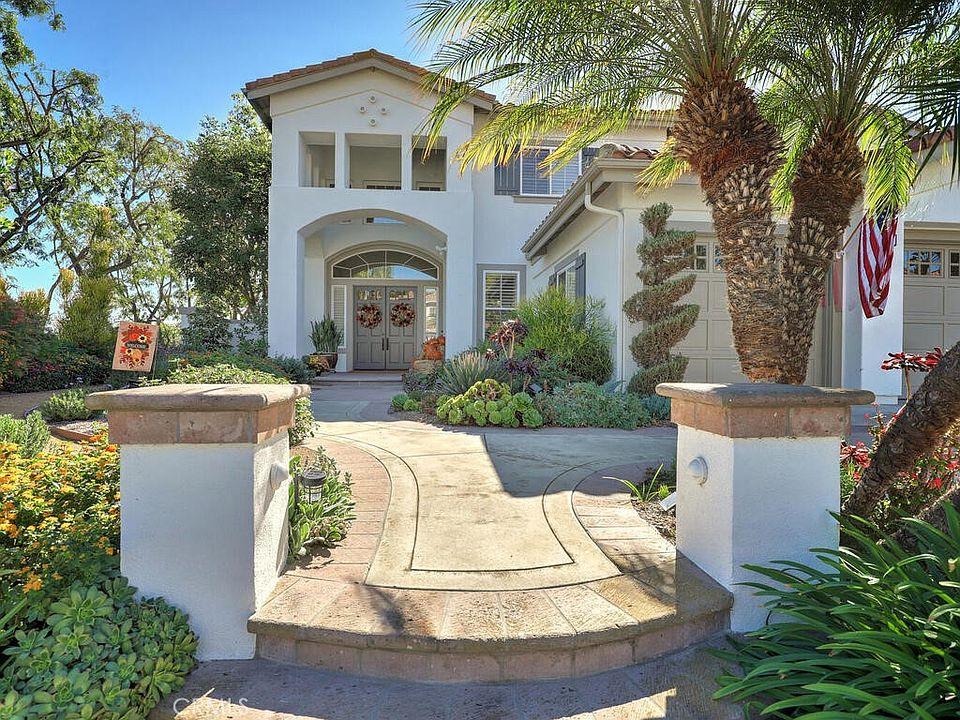
Before buyers see your kitchen, bathroom or primary bedroom, they see the front of the property.
That means the exterior is part of your property's marketing.
Simple improvements can include:
Cleaning the exterior
Trimming landscaping
Removing dead plants
Cleaning windows
Repainting the front door
Updating exterior lighting
Replacing damaged house numbers
Improving the walkway
Cleaning the driveway
Adding simple landscaping
The goal isn't necessarily to create the most expensive-looking house on the street.
The goal is to make the property look maintained, inviting and cared for.
NAR's 2025 remodeling report specifically identified projects such as exterior doors among improvements that can provide strong cost recovery.
Practical rule:
Don't start with expensive landscaping. Start with cleaning, repairing and improving what is already there.
3. Paint: One of the Simplest Transformations
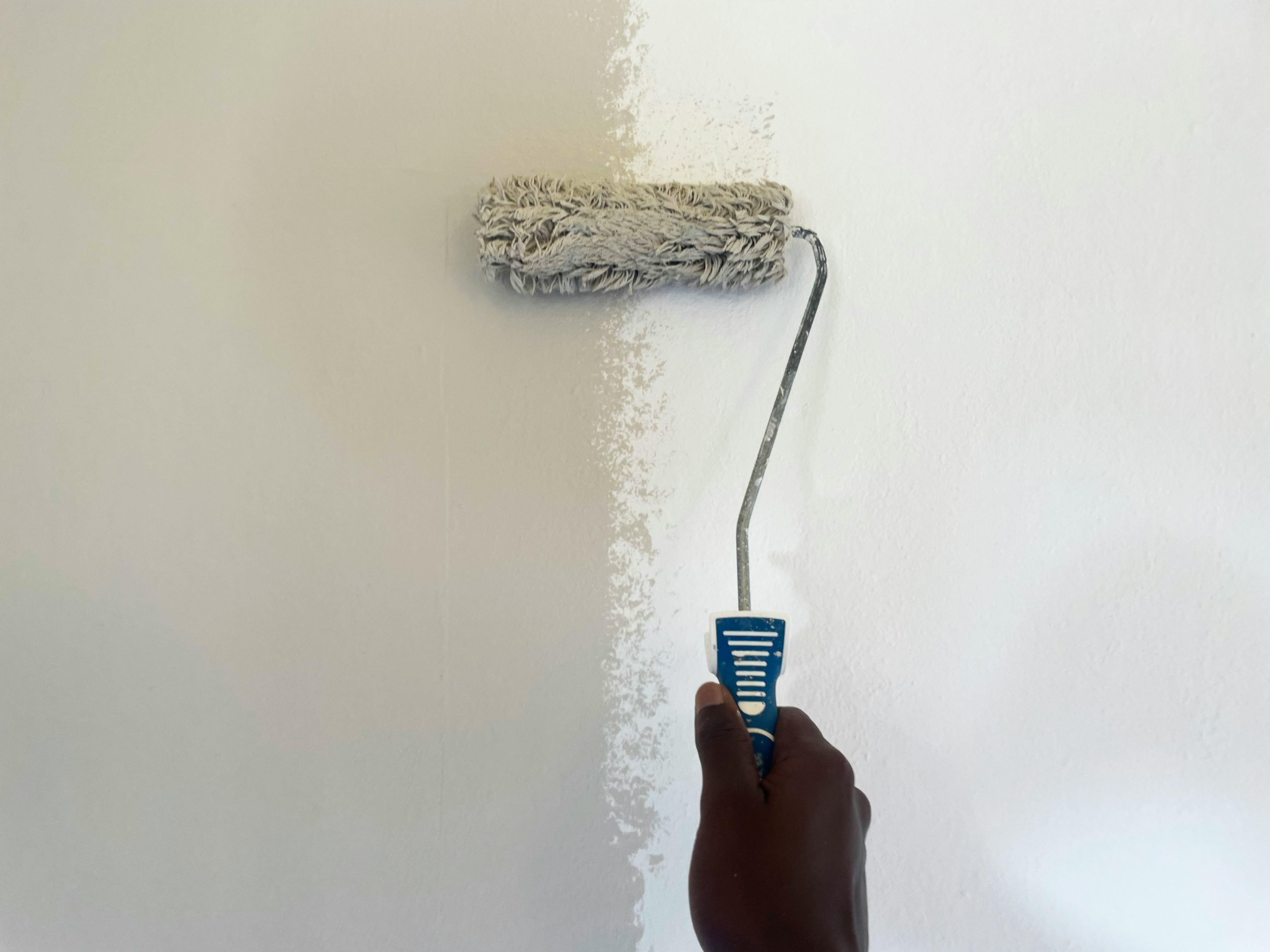
Paint is one of the easiest ways to change how a property feels.
A house with:
Dark walls
Strong personal colors
Scuffed paint
Patchwork repairs and Peeling Exterior paint.
can feel older than it actually is.
A fresh, neutral palette can make the same rooms feel:
Cleaner
Brighter
Larger
More modern
Easier to imagine living in
The objective isn't to make the house completely generic.
It's to remove visual distractions so buyers can focus on the property itself.
NAR reported in 2025 that real-estate professionals frequently recommend painting before selling, particularly where the existing finish needs attention.
4. The Kitchen: Refresh Before You Rebuild
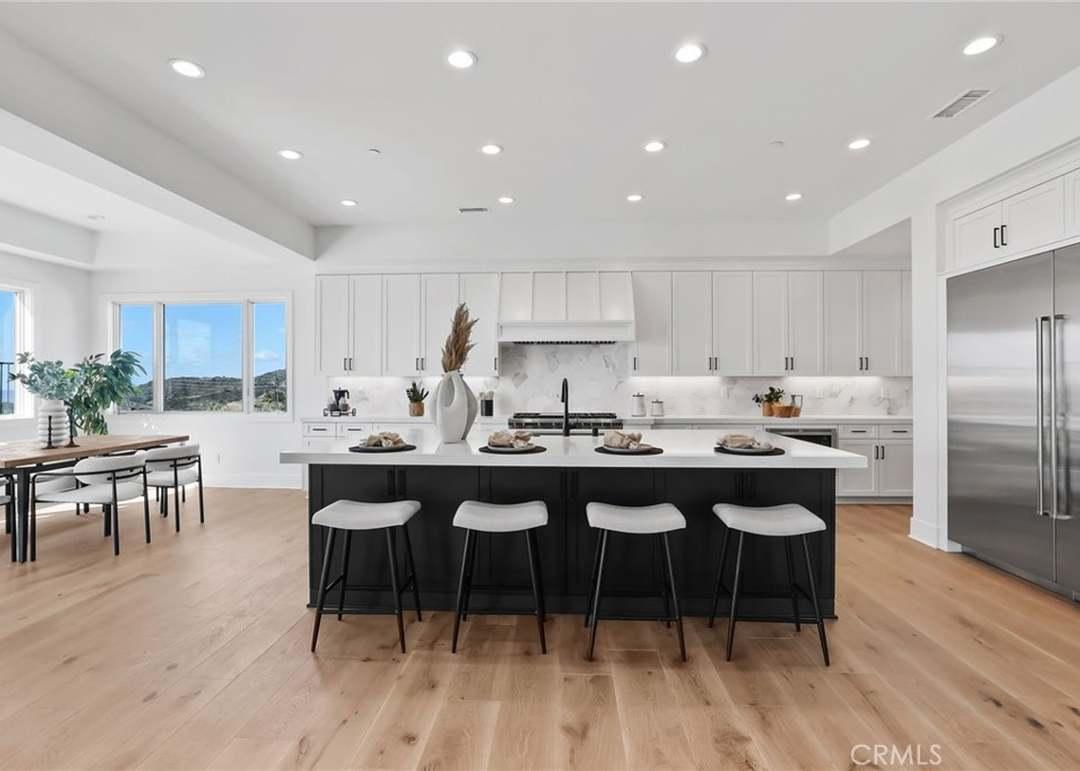
The kitchen is one of the areas buyers pay significant attention to.
But there's an important difference between:
Kitchen refresh
&
Complete kitchen renovation.
A refresh might involve:
Cabinet painting/refacing
New cabinet hardware
Updated lighting
New faucet
Updated backsplash
Countertop replacement
Deep cleaning
Appliance updates where necessary
A complete renovation might involve:
Moving walls
Changing plumbing
Reconfiguring electrical
Replacing cabinets
New flooring
New appliances
New countertops
New lighting
The second option can become extremely expensive.
That's why homeowners should consider whether the neighborhood and property's expected selling price justify the scale of the renovation.
The 2025 NAR Remodeling Impact Report estimated cost recovery for a complete kitchen renovation at about 60%, compared with 60% for a minor kitchen upgrade in its national report. Actual results can vary substantially by property and market.
The lesson: Don't renovate simply because something is old. Renovate when the improvement solves a meaningful buyer objection or improves the property's positioning.
5. Bathrooms Matter Too

Bathrooms can strongly affect a buyer's perception of the condition of a property.
An outdated bathroom doesn't always require a complete demolition.
Consider:
Replacing outdated fixtures
Repainting
Updating mirrors
Improving lighting
Replacing worn flooring
Regrouting
Updating hardware
Replacing a damaged vanity
Deep cleaning
The key is to distinguish between cosmetic problems and functional problems.
A dated faucet is cosmetic.
A leaking shower is not.
A homeowner preparing to sell should prioritize problems that could create concern during inspection.
6. Flooring Can Change the Entire Property
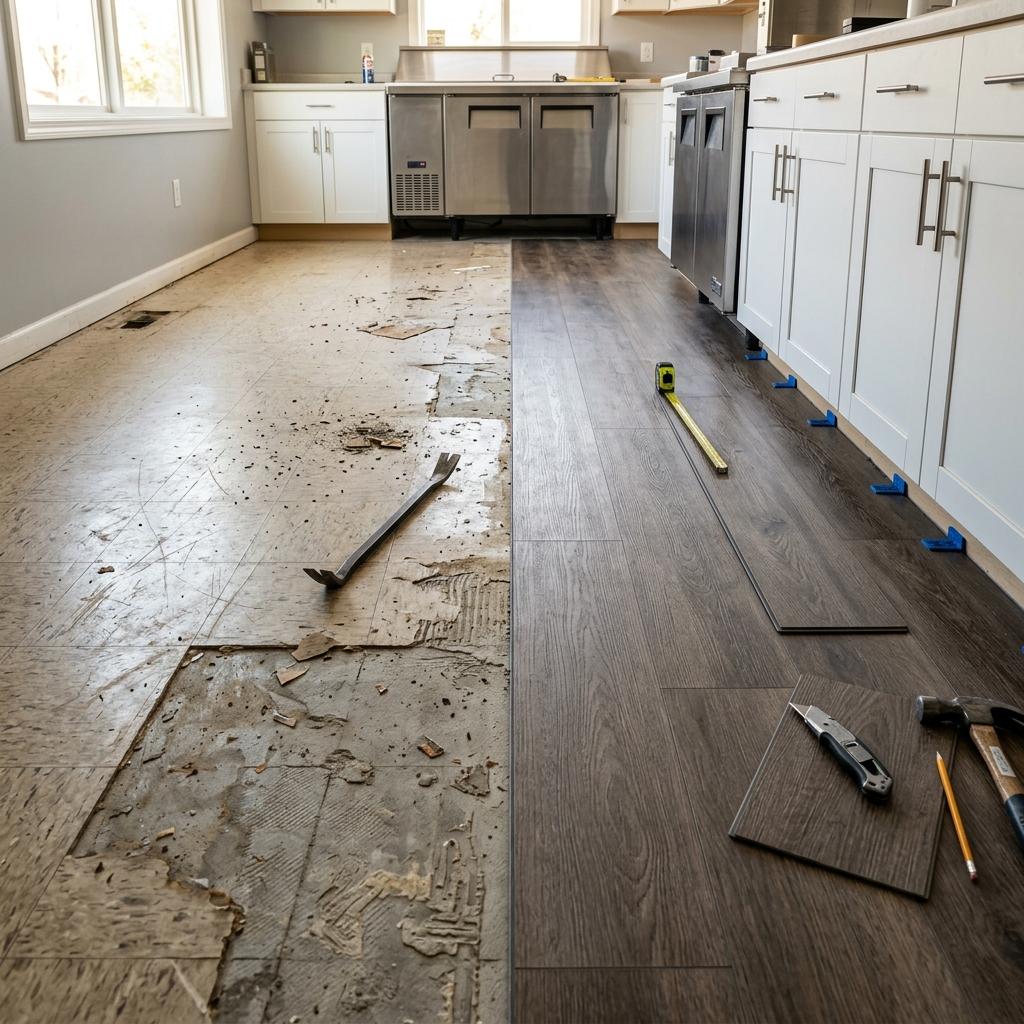
Imagine walking into a house and seeing:
Worn carpet
Cracked tile
Different flooring in every room
Scratched hardwood
Damaged transitions
Now compare that with:
Consistent flooring
Clean surfaces
Proper transitions
Neutral finishes
Well-maintained floors
The second property generally feels more cohesive.
You don't necessarily need the most expensive flooring.
The goal is condition + consistency + suitability for the property.
7. Don't Forget Lighting
Lighting is often overlooked.
But lighting can change how buyers experience:
Room size
Ceiling height
Paint colors
Kitchen finishes
Architectural details
Outdoor spaces
Look at:
Natural light
Can curtains/blinds be opened?
Are windows clean?
Are rooms unnecessarily blocked by furniture?
Artificial light
Are fixtures outdated?
Are bulbs mismatched?
Are important areas poorly illuminated?
Sometimes replacing several outdated fixtures can create a surprisingly noticeable improvement.

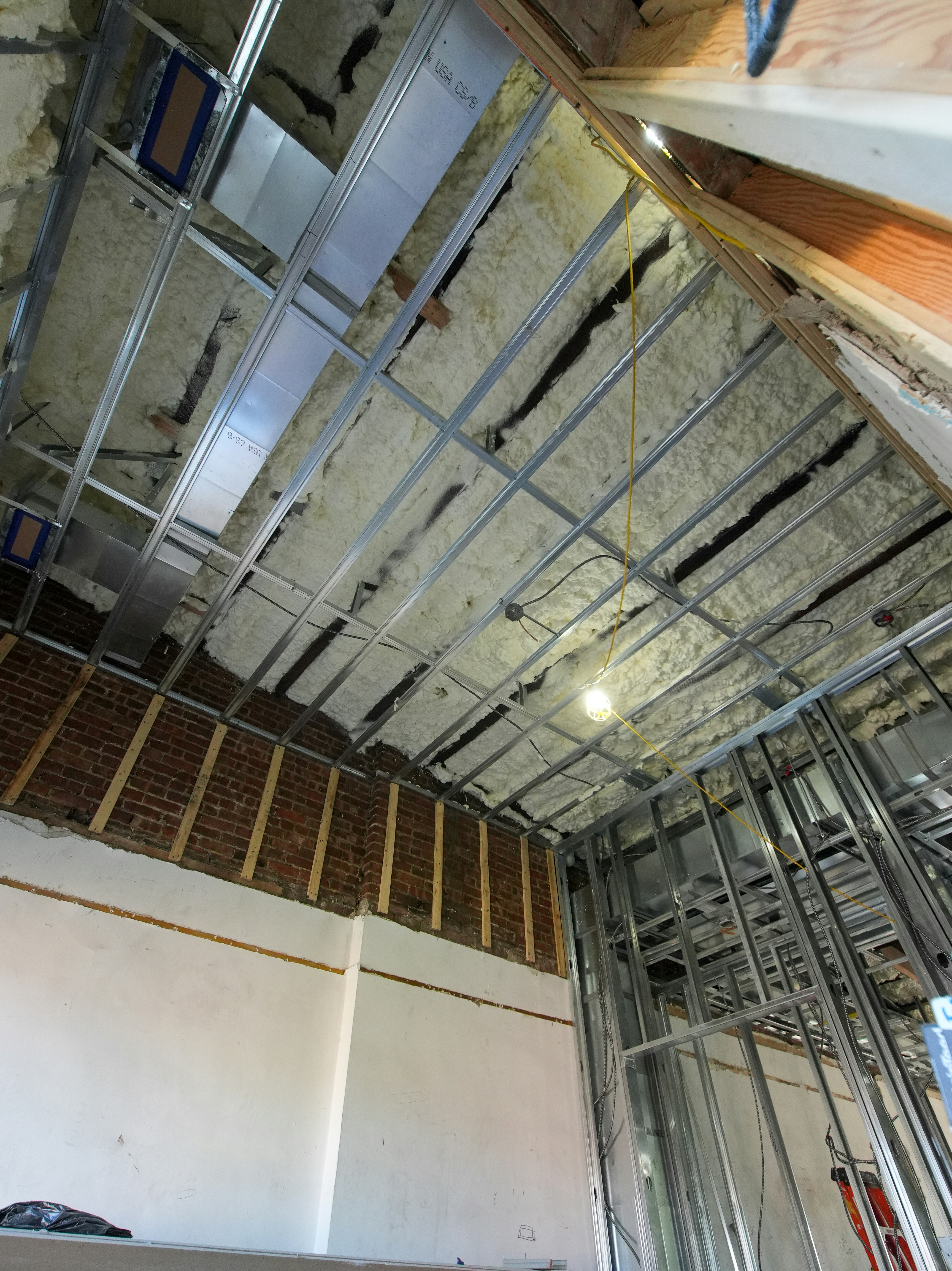
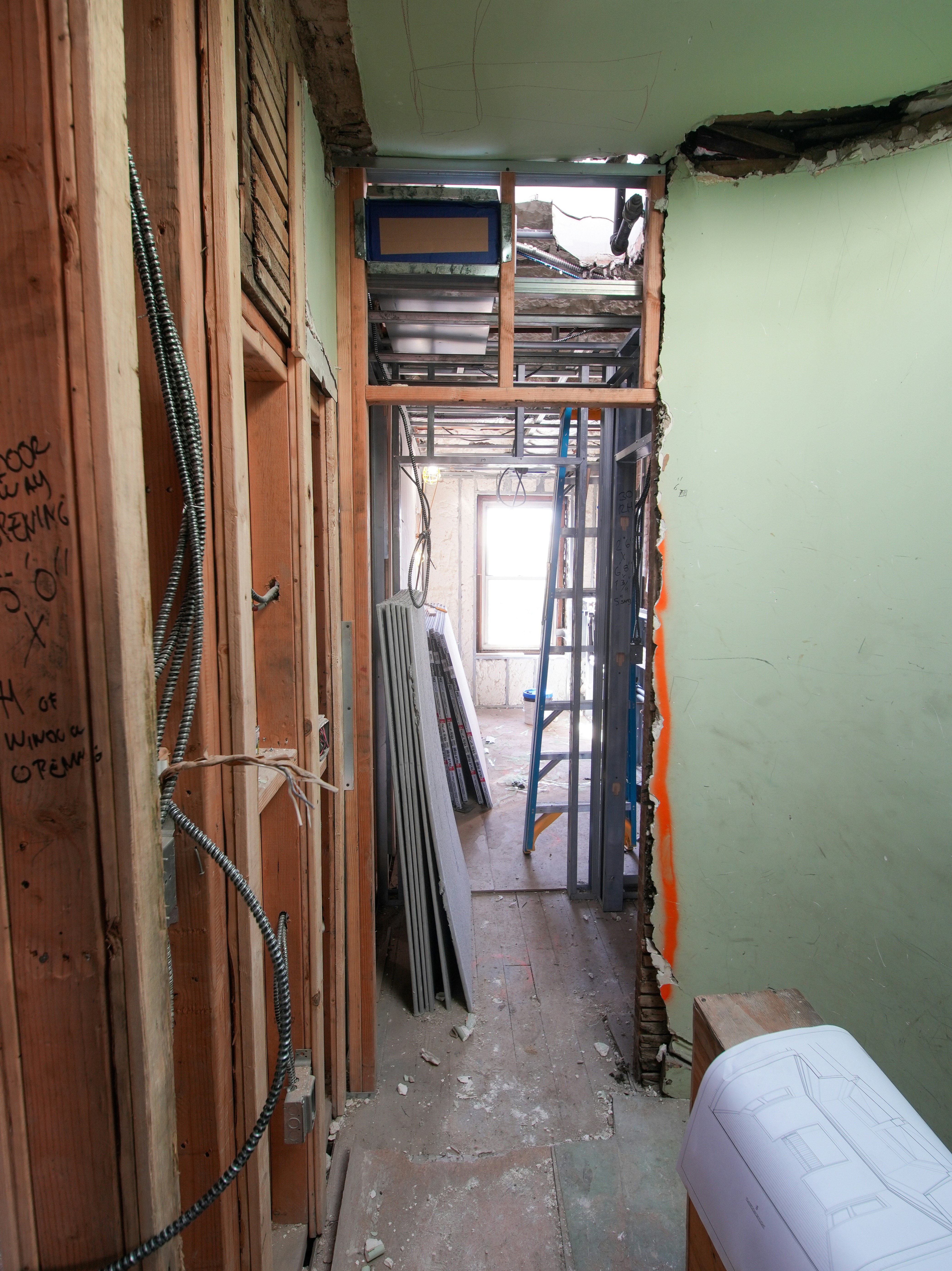
This is one of the most important principles.
Imagine spending $30,000 on a beautiful kitchen while the property has:
Roof problems
Plumbing issues
Electrical problems
Water damage
HVAC problems
Structural concerns
A buyer's inspection can uncover these issues.
So before spending heavily on cosmetic improvements, identify maintenance and condition issues.
Think about the property in this order:
1). Safety
Is anything dangerous?
2). Function
Does everything work properly?
3). Condition
Is anything damaged or deteriorated?
4). Presentation
Does the property look clean and attractive?
8). Design
Would strategic improvements make it more competitive?
This hierarchy can help prevent homeowners from spending money in the wrong places.
9. Staging: Help Buyers See the Property
Staging isn't about filling a house with expensive furniture.
It's about helping buyers understand:
How does this space work?
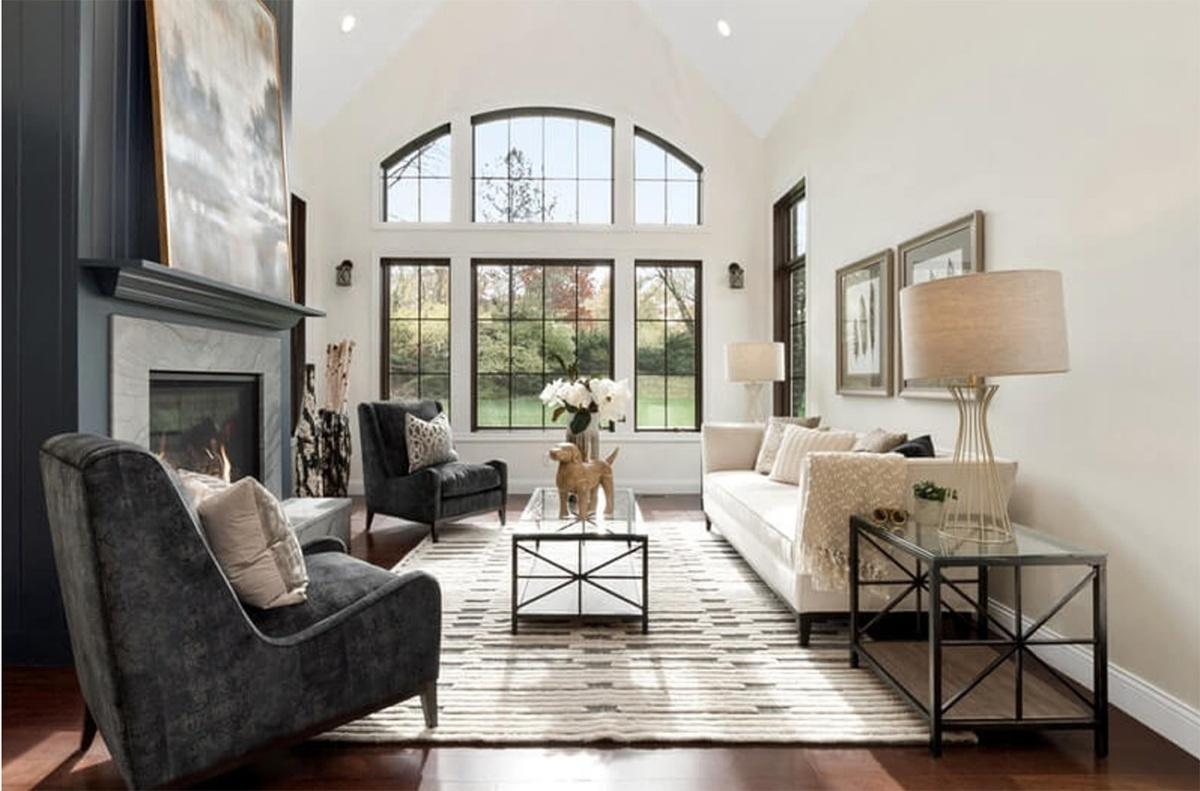
Good staging can emphasize:
Room size
Natural light
Flow
Architectural features
Outdoor living
Functional spaces
Start with:
Decluttering
Remove unnecessary furniture and personal belongings.
Depersonalizing
Buyers need to imagine their life in the property.
Furniture placement
Don't block walkways or important architectural features.
Lighting
Open curtains and make rooms feel bright.
Photography
Once the property is prepared, professional photography becomes extremely important because online presentation is often the buyer's first interaction with the home.
10. Don't Over-Improve
This is where homeowners can lose money.
Suppose comparable properties in your neighborhood have:
$30,000 kitchens
Standard bathrooms
Normal landscaping
You don't necessarily need a $100,000 designer kitchen to compete.
The right renovation depends on:
Property value + neighborhood + competing inventory + buyer expectations + renovation cost.
One recent Southern California renovation analysis similarly emphasizes avoiding over-improvement relative to the surrounding properties.
Your objective should be:
Make the property competitive — not unnecessarily extravagant.
11. A Simple Pre-Sale Improvement Strategy
Here's a practical framework homeowners can use.
LEVEL 1 — Clean
Deep clean
Windows
Carpets
Exterior
Garage
Landscaping
LEVEL 2 — Repair
Leaks
Broken fixtures
Damaged doors
Electrical issues
Plumbing problems
Roof/maintenance concerns
LEVEL 3 — Refresh
Paint
Lighting
Hardware
Flooring
Landscaping
Fixtures
LEVEL 4 — Renovate
Only consider larger projects when the numbers and property strategy justify them.
This approach helps prevent homeowners from jumping directly into expensive remodeling.
12. What About ROI?
ROI means Return on Investment.
A simplified calculation is:
ROI = Increase in property value ÷ renovation cost × 100
For example:
If you spend $20,000 and the improvement contributes $15,000 to the property's value:
$15,000 ÷ $20,000 × 100 = 75% ROI
But there's an important catch:
Renovation ROI isn't guaranteed.
The actual result depends on:
Neighborhood
Property type
Existing condition
Quality of work
Buyer demand
Comparable properties
Timing
Construction costs
That's why national ROI statistics should be treated as benchmarks, not promises for an individual property.
Ready to Find Out What Your Home Could Be Worth?
Before spending thousands of dollars on renovations, get a professional perspective on what your property actually needs.
Get Your Free Home Valuation
or