
What Real Estate Investors Should Look for During a Property Walkthrough
Real Estate, Property Walkthrough, Investment Analysis
The Smart Investor’s Property Walkthrough: A Step‑by‑Step Guide to Seeing What Really Matters
A professional property walkthrough is one of the most powerful tools a real estate investor has. Done correctly, it helps you spot hidden problems, estimate repairs on the spot, and understand whether a property truly fits your strategy—long before you write an offer or send a contractor. This guide walks you through each step, from curb to closing numbers, so you can evaluate deals with confidence rather than emotion.
Start Outside: The Investor’s Exterior Walkthrough Checklist
An effective walkthrough starts before you even touch the front door. The exterior often reveals how well the property has been maintained and hints at bigger issues hiding inside. Work in a deliberate pattern so you don’t miss anything important.
Roof: Step back far enough to see the full roofline. Look for missing or curling shingles, sagging sections, uneven patches, or mismatched materials that suggest past repairs. A tired roof is a major capital expense, so mentally budget for replacement if it looks near the end of its life.
Gutters and downspouts: Check whether gutters are securely attached, properly sloped, and free of obvious clogs. Downspouts should extend several feet away from the foundation. If water is dumping right at the base of the house, you may be looking at future foundation and moisture problems.
Foundation and grading: Walk the perimeter. Note any cracks, bulges, or areas where the ground slopes toward the house instead of away from it. Soft spots, standing water, or soil pulling away from the foundation are all red flags that deserve attention in your numbers and in a later professional inspection.
Siding, windows, and trim: Look for peeling paint, rotted wood, loose siding, or fogged window panes. These details affect both curb appeal and long‑term maintenance costs. Investors should see chipped paint as a budget line item, not a deal breaker—if the numbers still work after repairs.
Landscaping and hardscaping: Overgrown bushes, tree roots close to the foundation, or broken walkways are all fixable but cost money. At the same time, simple landscaping upgrades can be a low‑cost value‑add that boosts rental appeal and perceived value.
📌 Key Takeaway: The exterior walkthrough tells you how water moves around the property and how well the structure has been protected over time. Both directly impact your future repair bills.
Why Water Issues Are Your Number One Enemy
For real estate investors, water is often more dangerous than fire. Fire damage is obvious and usually well documented. Water damage, on the other hand, can be slow, hidden, and expensive. It affects structural integrity, indoor air quality, and tenant satisfaction—all at once. That’s why your entire walkthrough should be guided by a simple question: Where does water go, and what does it touch?
Roof leaks: Stains on ceilings, bubbling paint, or soft drywall often trace back to roof issues. Even small leaks can lead to mold, damaged insulation, and rotten framing if ignored. Always connect interior stains to what you saw on the roof outside.
Basements and crawl spaces: Musty smells, efflorescence (white powder) on walls, or visible moisture are signs of water intrusion. Correcting drainage, adding sump pumps, or installing interior waterproofing can be costly, but it may still make sense if the deal’s upside is strong enough.
Bathrooms and kitchens: Loose tiles, soft floors near tubs or toilets, and water‑stained cabinet bottoms suggest slow leaks. These may seem minor but can require subfloor repairs that quickly escalate your rehab budget.
💡 Pro Tip: Any time you see water stains, ask “Is the source fixed, or just the cosmetic damage?” Your offer should reflect the worst‑case scenario, not the seller’s reassurance.
Inside the Property: Interior Walkthrough Essentials
Once you step inside, move systematically room by room. The goal is not to admire décor; it’s to understand condition, functionality, and what it will cost to make the space rent‑ready or market‑ready. Keep your eyes on surfaces and structure.
Floors and ceilings: Look for uneven floors, cracks, or areas that feel soft underfoot. On ceilings, check for stains, cracks, or patchwork that suggests prior leaks or structural movement. These clues help you decide whether you’re facing simple cosmetic fixes or deeper issues that require professional evaluation.
Walls and finishes: Peeling paint, poorly done patches, or mismatched textures may indicate rushed repairs. As an investor, you’re not judging style—you’re calculating what it costs to create a clean, durable, neutral finish that appeals to tenants or buyers.
Doors and windows: Open and close interior doors and a sample of windows. Sticking doors can suggest settling or humidity issues. Drafty or single‑pane windows might justify upgrades in colder climates, especially if you’re targeting higher‑end tenants.
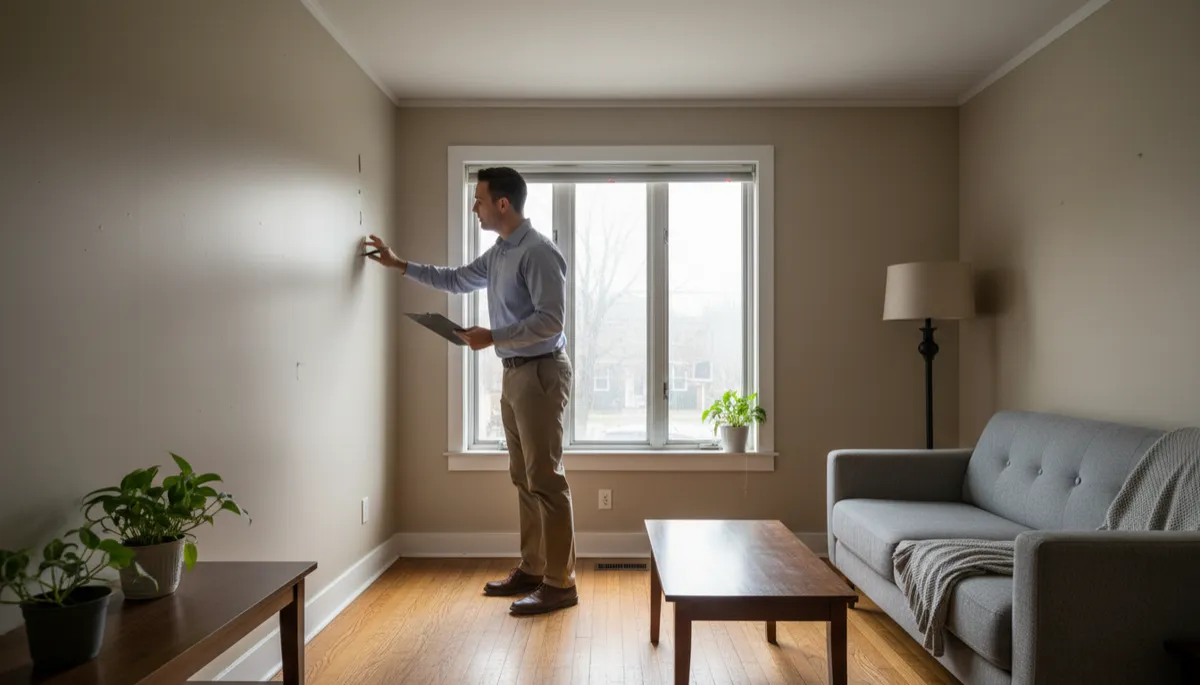
A structured interior walkthrough helps separate cosmetic issues from costly structural concerns.
Major Systems: Electrical, Plumbing, HVAC, and Roof Lifespan
Cosmetic updates are easy to budget for. The real financial swings come from the major systems: electrical, plumbing, HVAC, and the roof. During your walkthrough, you’re not performing a full inspection—that’s your inspector’s job—but you are gathering enough information to model realistic repair and replacement costs.
Electrical: Glance at the electrical panel if accessible. Note the amperage, type of breakers, and any obvious DIY wiring. Inside the house, test a few outlets and switches. Flickering lights, warm outlets, or outdated panels may signal the need for upgrades, especially if you plan to add heavy‑use appliances or more units.
Plumbing: Run water in sinks and tubs, flush toilets, and listen for slow drains or gurgling. Check under sinks for leaks or makeshift repairs. Galvanized pipes, visible corrosion, or chronic slow drains can point toward bigger plumbing projects down the line.
HVAC: Locate the furnace and condenser. Note their age (often on the label), cleanliness, and any unusual noises when running. Older systems may still function, but you should budget for replacement within your hold period. Also consider whether existing systems are appropriately sized for the property and climate.
Roof (from the inside): In attics or top‑floor ceilings, look for signs of active leaks, daylight coming through where it shouldn’t, or sagging sheathing. Combine this with your exterior roof observations to estimate remaining life and potential replacement cost.
📌 Key Takeaway: Major systems don’t have to be perfect, but they must be priced into your offer. A property with an old roof and tired HVAC can still be a great deal—if your numbers assume those upgrades.
Evaluating the Floor Plan: Functionality Over Feelings
Tenants and buyers live in floor plans, not square footage. As you walk through, pay close attention to how the space actually functions. Your goal is to decide whether the layout supports your target renter or buyer—and what it might cost to improve it if it doesn’t.
Are the bedrooms reasonably sized and located away from noisy living areas?
Is there a logical flow from entry to living, dining, and kitchen spaces, or does it feel chopped up and awkward?
Are there enough bathrooms for the bedroom count and likely household size?
Could simple changes—like removing a non‑load‑bearing wall or widening a doorway—dramatically improve the feel of the home?
A strange floor plan is not automatically a deal killer. For investors, it’s often a value‑add opportunity. If you can cost‑effectively reconfigure a layout to match what the market wants, you can justify higher rents, quicker lease‑ups, or a stronger resale price.
Estimating Repairs on the Spot: Turning Observations into Numbers
A walkthrough is only as useful as the numbers you attach to what you see. You don’t need contractor‑level precision, but you do need ballpark estimates that allow you to decide whether to proceed, renegotiate, or walk away. Over time, you’ll develop your own quick‑estimate ranges for common items in your market.
Use simple price ranges: For example, in your area you might assume “full interior paint” costs a set amount per square foot, “roof replacement” a certain cost per square or per typical house, and “new basic kitchen” a standard range. Carry a cheat sheet until these numbers are second nature.
Group repairs into buckets: Separate your notes into must‑do safety/functional items (like electrical hazards or active leaks), strongly recommended upgrades (like replacing very old HVAC), and optional value‑add improvements (like nicer countertops). This helps you prioritize spending and structure negotiations.
Be conservative: When in doubt, round repair estimates up, not down. If the deal still works with padded numbers, you have a margin of safety. If it only works with best‑case pricing, it’s not an investor‑grade deal.
💡 Pro Tip: Bring a simple checklist and jot rough repair numbers next to each item during the walkthrough. This habit turns a subjective “feel” into an objective budget draft you can refine later.
Assessing Rental Potential During the Walkthrough
While the property’s condition is critical, investors also need to evaluate rental potential in real time. You should already have rent comps before you arrive, but the walkthrough confirms whether this specific home can realistically achieve those numbers—or perhaps exceed them with the right improvements.
Does the property match what local renters at your target price point expect in terms of finishes, layout, and amenities?
Are there features that will help it stand out in rental listings—such as off‑street parking, in‑unit laundry, extra storage, or a fenced yard?
Could small improvements (like adding a dishwasher, modern lighting, or durable flooring) justify a modest rent premium or attract better‑quality tenants?
As you walk, imagine your ideal tenant living there. Not whether you would live there, but whether a typical renter in that neighborhood and price range would find it practical, comfortable, and worth the rent you’re projecting in your analysis.
Spotting Value‑Add Opportunities Others Miss
Great investors don’t just see problems; they see potential. A disciplined walkthrough helps you identify value‑add opportunities that can increase rents, reduce expenses, or boost resale value without over‑improving for the area.
Underused spaces: Unfinished basements, awkward storage rooms, or oversized dining areas might be reconfigured as additional bedrooms, home offices, or second living spaces—if allowed by code and market demand.
Simple upgrades with high impact: Durable vinyl plank flooring, fresh neutral paint, modern hardware, and clean landscaping often deliver an outsized return in rent and tenant quality for relatively modest cost.
Utility and efficiency improvements: Sub‑metering utilities, adding smart thermostats, or improving insulation can reduce operating expenses and make the property more attractive to cost‑conscious renters.
The key is to align every potential improvement with your investment strategy and local market. Not every house needs granite counters; some neighborhoods reward durability and low maintenance more than luxury finishes. Your walkthrough notes should distinguish between “nice to have” and “profit‑driving” upgrades.
Keeping Emotions Out: Analysis Over Attachment
It’s surprisingly easy to fall in love with a property during a walkthrough—especially if it’s charming, in a great location, or reminds you of a home you once lived in. But as an investor, your walkthrough is not about how the property makes you feel. It’s about whether it fits your numbers and your strategy.
Stick to your checklist and pre‑set criteria. If a property fails on fundamentals—like flood risk, structural concerns, or inability to cash flow—no amount of charm should override your standards.
Avoid mentally moving in. Instead of imagining your furniture, imagine your ideal tenant and your monthly cash flow statement. This shift keeps you grounded in the numbers.
Remember there will always be another deal. Scarcity mindset leads to overpaying and ignoring warning signs. A disciplined investor can walk away and wait for a property that truly fits their model.
📌 Key Takeaway: The purpose of a walkthrough is to gather data, not to convince yourself to buy. Let your analysis—not your emotions—make the final decision.
The Investor Walkthrough Checklist: Exterior, Interior, Systems, and Numbers
To bring it all together, think of your walkthrough as four focused checklists working together: exterior, interior, systems, and investment considerations. Having these categories in mind keeps your evaluation organized and repeatable from property to property.
Exterior Checklist
Roof age and condition, gutters, downspouts, and drainage paths
Foundation, grading, driveways, walkways, and exterior steps or railings
Siding, exterior paint, windows, doors, and general curb appeal
Interior Checklist
Floors, walls, ceilings, and signs of water intrusion or settling
Kitchen and baths: functionality, age of finishes, and evidence of leaks
Doors, windows, closet space, and overall livability of the floor plan
Systems Checklist
Electrical panel, visible wiring quality, and outlet/switch functionality
Plumbing materials, water pressure, drainage, and signs of active or past leaks
HVAC age and condition, ductwork, and comfort level in different rooms
Investment Considerations Checklist
Estimated repair and upgrade costs by category, with conservative ranges
Rental potential based on condition, layout, and local comps—before and after improvements
Value‑add opportunities that align with your strategy and budget
When you use this four‑part checklist consistently, each property becomes easier to compare. You’re no longer relying on vague impressions like “this one felt nicer.” Instead, you’re comparing roofs to roofs, layouts to layouts, and numbers to numbers.
The Real Goal: Understanding the Property, Not Finding a Perfect One
Many new investors secretly hope to find a property that needs no work at all. In reality, those “perfect” properties are rare—and when they do appear, they often come at a premium price that leaves little room for profit. The goal of a professional walkthrough is not to avoid properties with issues; it’s to understand the property well enough to decide whether its issues and opportunities fit your business model.
When you systematically inspect the exterior, interior, major systems, and investment factors, you gain a clear picture of what you’re buying: the current condition, the likely repair costs, the rental potential, and the value‑add upside. Armed with that understanding, you can write offers confidently, negotiate from a position of knowledge, and build a portfolio based on disciplined analysis rather than guesswork or emotion.
In short, a great investor doesn’t look for flawless properties. A great investor looks for properties they understand deeply—then decides, with clear eyes and solid numbers, whether those properties deserve a place in their portfolio.
Ready to Find Out What Your Home Could Be Worth?
Before spending thousands of dollars on renovations, get a professional perspective on what your property actually needs.
Get Your Free Home Valuation
or